Physical Address
304 North Cardinal St.
Dorchester Center, MA 02124
Physical Address
304 North Cardinal St.
Dorchester Center, MA 02124
5 min read
Picture this: it's a warm Saturday evening in Lexington, and you've finally got friends over for a backyard cookout. You fire up your speaker system, and… it sounds like music playing through a tin can at the bottom of a well. Or worse, half your patio can't hear anything while your neighbors three houses down are getting a full concert.
If you've attempted a DIY backyard speaker installation in Central Kentucky, you've probably run into at least one of these frustrating scenarios. The good news? Most of these problems are totally fixable, once you know what's going wrong.
Let's walk through the seven most common mistakes we see homeowners make with outdoor audio systems and, more importantly, how to solve them so you can actually enjoy your investment.
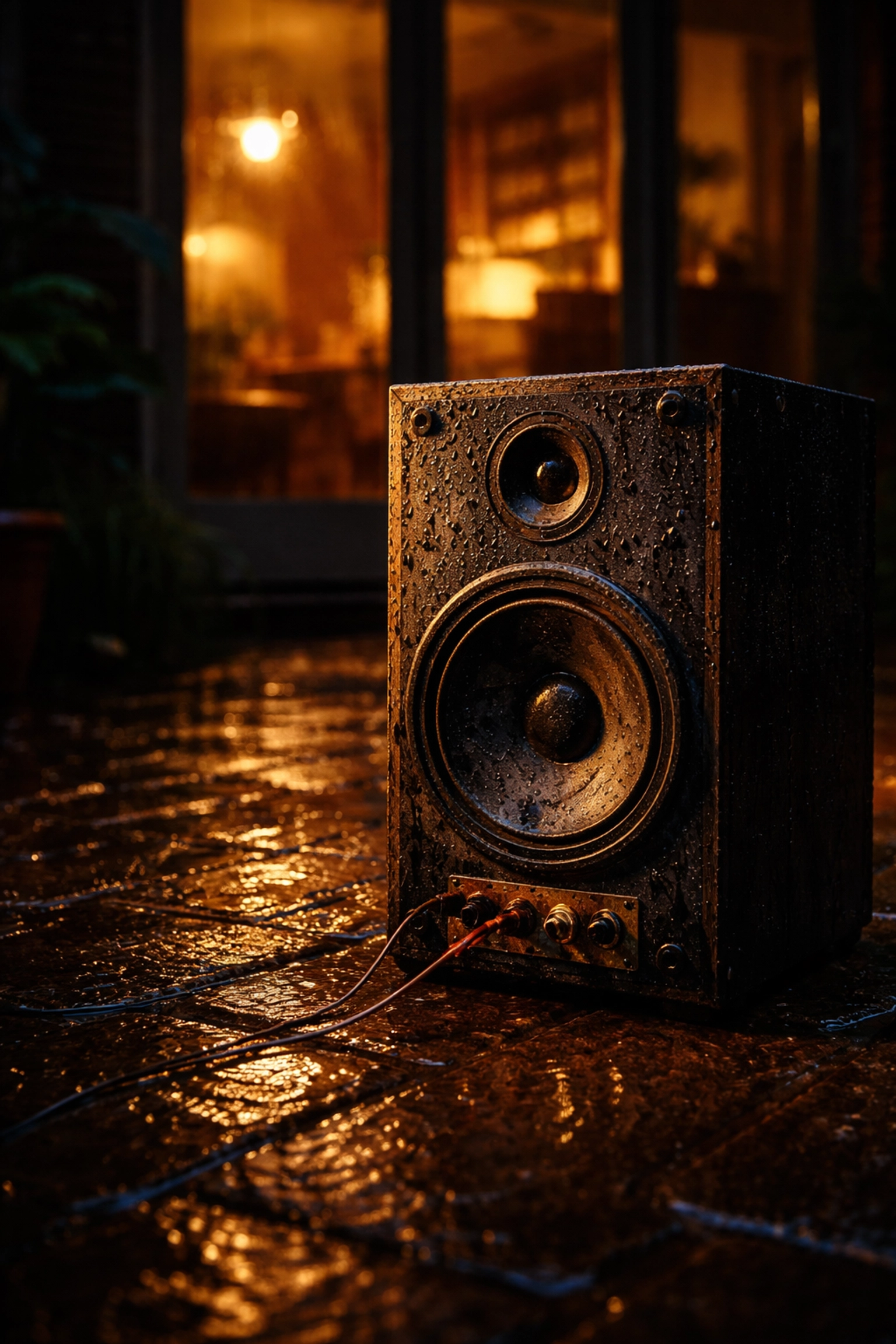
This one seems obvious, but you'd be surprised how often we see it around Lexington and the surrounding areas. That old set of bookshelf speakers from your basement? They're not going to survive a Kentucky summer thunderstorm, let alone the humidity, temperature swings, and occasional ice storm we get here in Central Kentucky.
Indoor speakers simply aren't built to handle moisture, UV exposure, or the dust and pollen that comes with our Bluegrass seasons. Within a few months, you'll notice corrosion on the terminals, warped cones, and sound quality that deteriorates fast.
The fix: Invest in purpose-built outdoor speakers rated for weather resistance. Look for an IPX rating (IPX5 or higher handles rain and humidity well) and materials designed to resist rust and UV damage. Yes, they cost more upfront, but they'll actually last through our unpredictable Kentucky weather.
We get it: you're excited. You bought new speakers, you've got a free weekend, and you just want music on your patio now. But jumping straight into installation without a plan is a recipe for frustration.
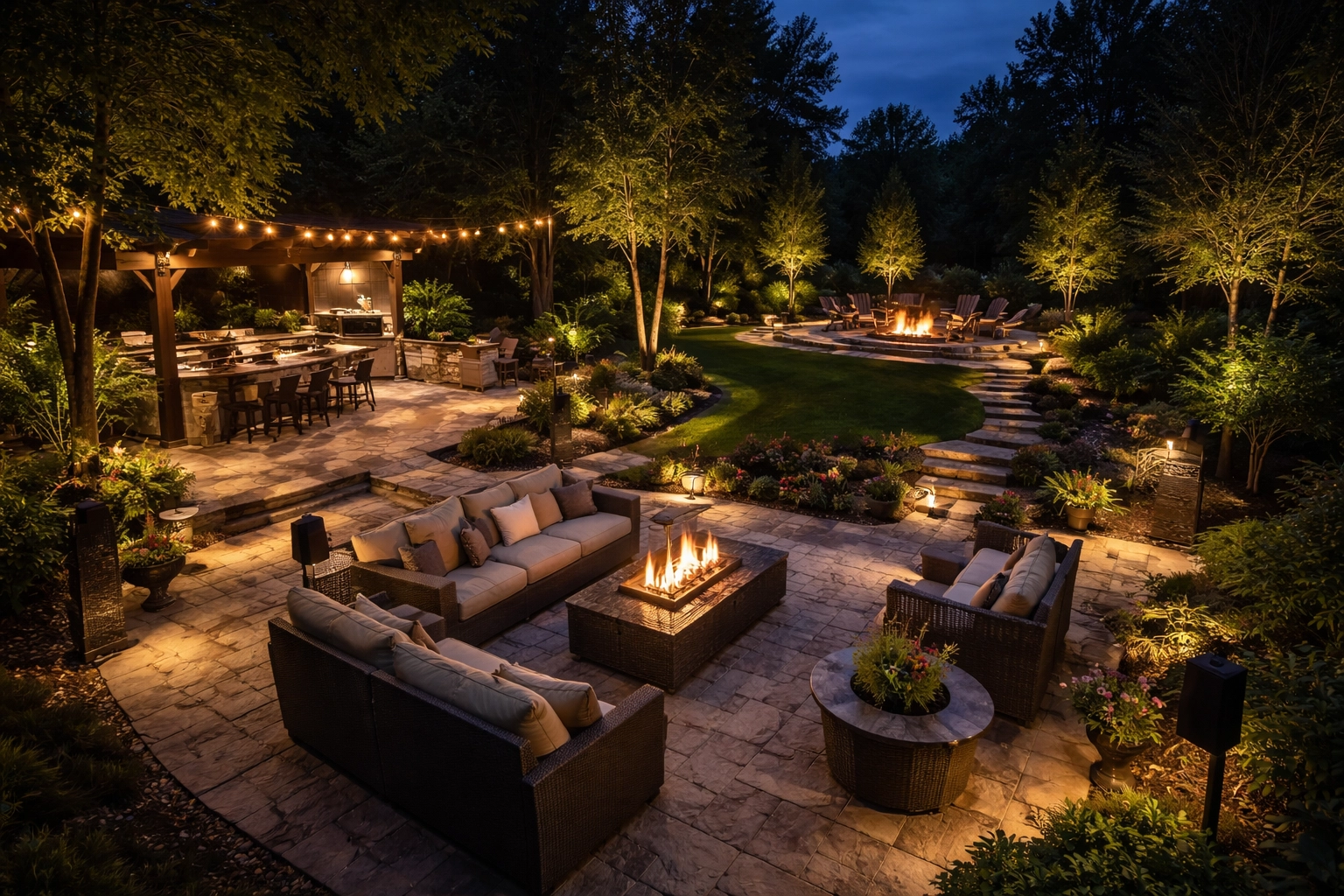
Do you want sound coverage just on your deck? Around the pool? Across the entire backyard for those big Derby Day parties? Each scenario requires different speaker placement, wiring runs, and equipment specs.
The fix: Before you buy anything, walk your property and identify your "entertainment zones." Think about where people actually gather: the patio seating area, the outdoor kitchen, the fire pit. Map out where speakers would need to go and how you'll run wiring. A 30-minute planning session saves hours of rework later.
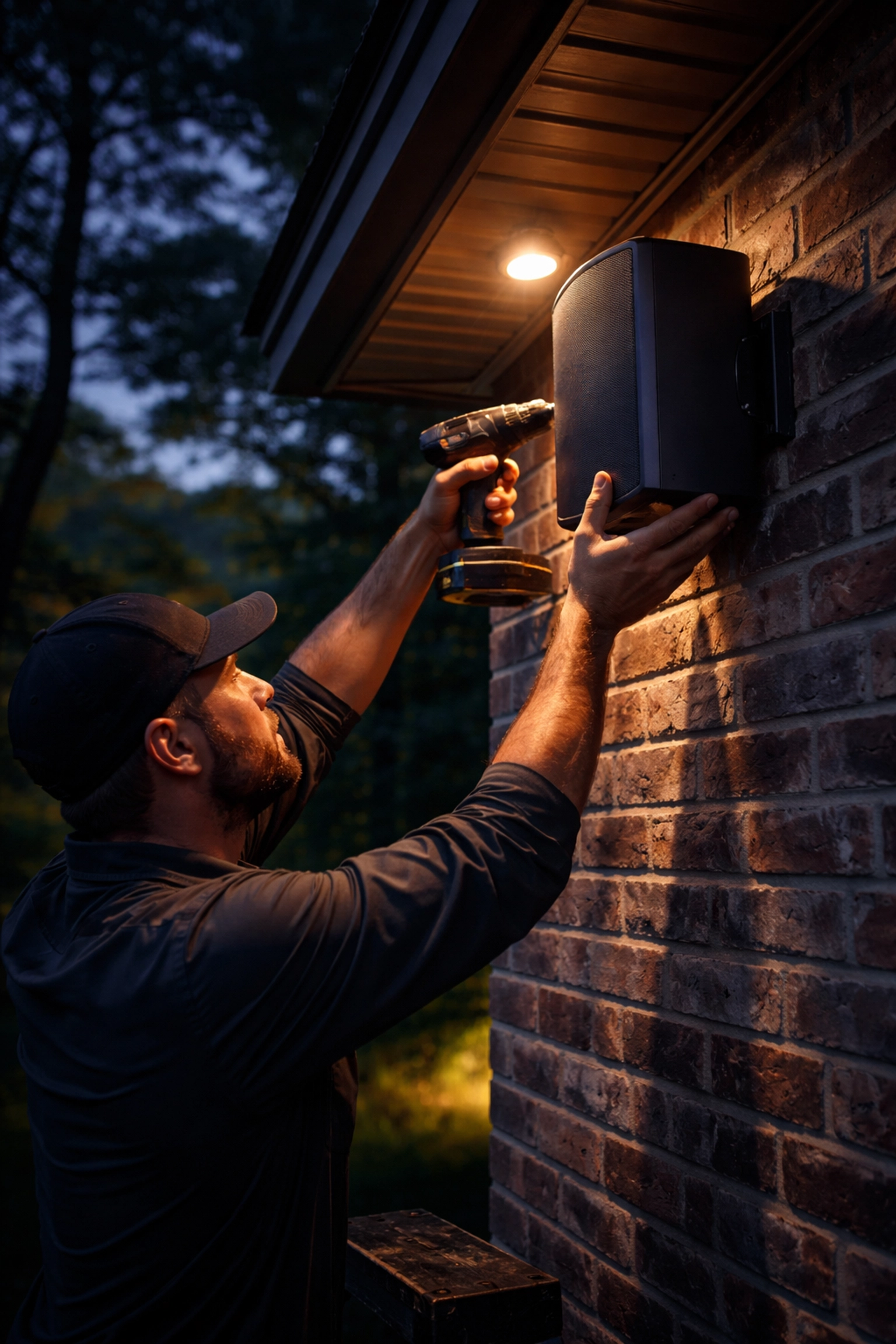
This is the mistake that turns a decent system into a disappointing one. Speakers mounted too low get blocked by furniture and bodies. Speakers aimed straight out send sound over everyone's heads. And clustering all your speakers in one corner creates that awkward situation where half your guests are blasted while others strain to hear.
Central Kentucky backyards come in all shapes: from compact Chevy Chase patios to sprawling Hamburg estates: and each layout demands thoughtful placement.
The fix: Mount speakers 8–10 feet high and angle them slightly downward toward your listening areas. Alternate left and right channels throughout the space for balanced stereo sound. Position speakers to let sound bounce off your home's exterior walls, which helps contain audio within your yard (your neighbors will thank you).
Here's a technical mistake that's easy to make: buying a receiver or amplifier that can't deliver enough juice to your outdoor speakers. Indoors, a modest 20-watt-per-channel setup might sound fine. Outside? That same system has to compete with wind, ambient noise, open space, and zero walls to reflect sound back.
The result is either weak, tinny audio or: worse: distortion and blown speakers when you crank the volume trying to compensate.
The fix: Your outdoor system needs at least 40 watts per channel to deliver clean, room-filling sound in an open environment. If you're covering a larger area or running multiple speaker zones, you'll need even more headroom. A professional can calculate exactly what your space requires so you're not guessing.
Look, we're not here to knock the DIY spirit. But outdoor audio installation involves more than just running some wire and screwing speakers to your soffit. You're dealing with low-voltage electrical work, weatherproofing concerns, acoustic physics, and equipment that needs to integrate seamlessly with your home.
When speakers are placed haphazardly, you end up with uneven frequency response: boomy bass in one spot, zero low-end in another. And improperly run wiring can create interference, safety issues, or become an eyesore across your beautifully landscaped yard.
The fix: Consider working with an AV professional who understands both the technical and aesthetic side of outdoor audio. A properly designed system maximizes sound quality while keeping equipment hidden and wiring protected. It's an investment that pays off every time you flip the switch and everything just works.
Curious what professional installation looks like? Check out our outdoor audio services to see how we approach projects here in Central Kentucky.
Your neighbor's speaker setup might sound great at their place. But copy-pasting their configuration into your yard? That rarely works.
Every property has unique acoustics. A Lexington townhome patio surrounded by privacy fencing behaves completely differently than a sprawling backyard in Nicholasville with open sightlines. Trees, hardscape materials, elevation changes, and even the direction your home faces all affect how sound travels.
The fix: A customized design accounts for your specific layout, entertainment goals, and listening preferences. The right system delivers consistent volume levels across your space without requiring you to crank it so loud you disturb the whole neighborhood. This is where professional site assessment really shines: we can identify acoustic challenges and solve them before installation day.
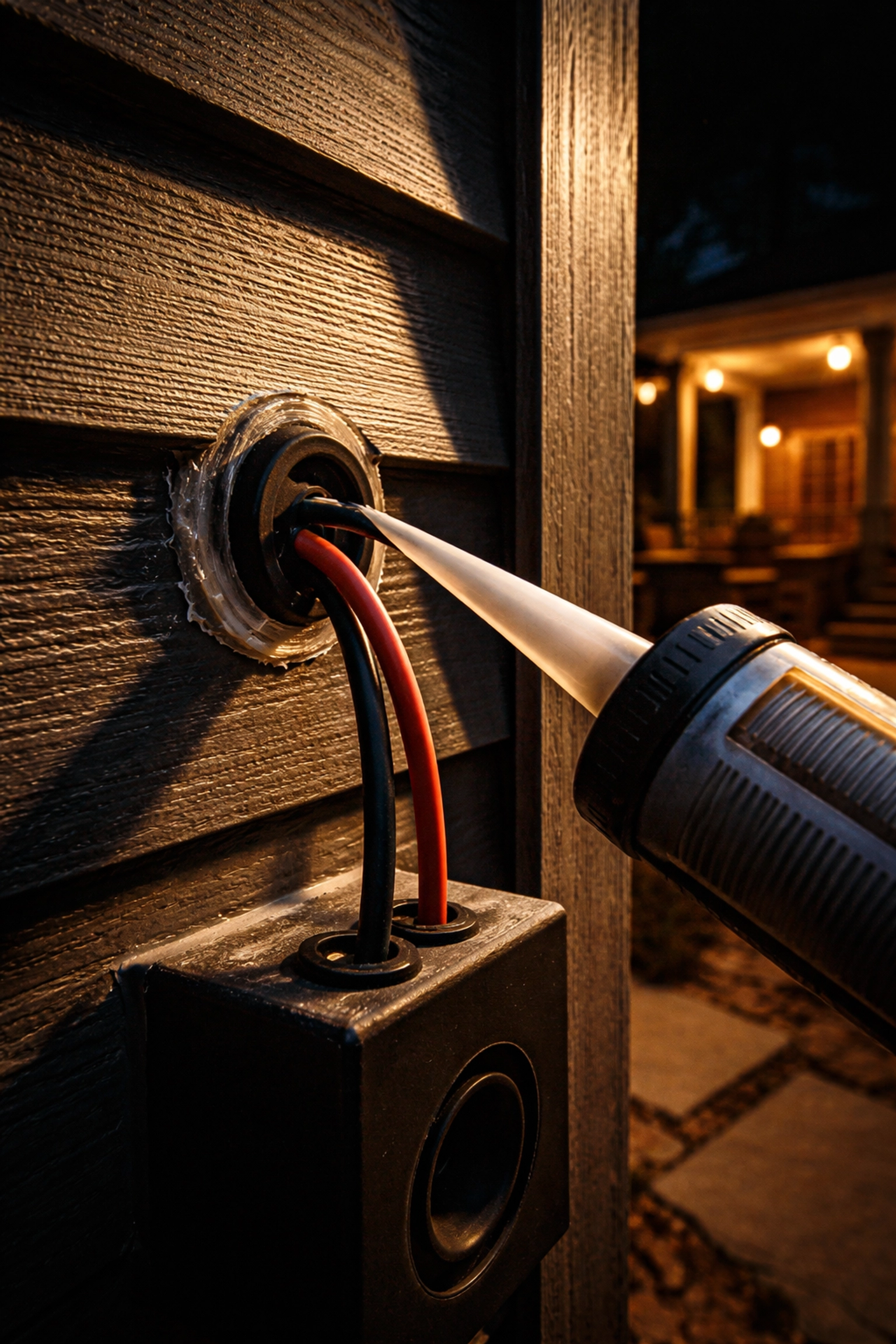
You bought outdoor-rated speakers. Great! But if the installation itself isn't weatherproofed, you're still going to have problems. Water finds its way into any gap: around speaker wire penetrations, mounting brackets, junction boxes, and connection points.
Central Kentucky's climate is tough on outdoor equipment. We get humid summers, freeze-thaw cycles in winter, and plenty of rain year-round. One small gap in your weatherproofing and moisture starts its slow destruction of your system.
The fix: Seal every penetration point with silicone-based caulk. Use metal or plastic blanks to cover access holes. Ensure tight, corrosion-resistant connections on all speaker wires. And mount equipment so water drains away rather than pooling around brackets and housings. These details might seem minor, but they're the difference between a system that lasts two years and one that lasts twenty.
Your backyard should be an extension of your living space: a place to relax, entertain, and enjoy everything our Kentucky summers (and mild fall evenings) have to offer. A well-designed outdoor audio system transforms that experience.
But getting there requires more than grabbing speakers off a shelf and hoping for the best. Thoughtful planning, proper equipment selection, strategic placement, and professional-grade installation make all the difference.
If you're ready to upgrade your outdoor entertaining setup: or rescue a DIY project that didn't go as planned: we're here to help. Evening Glow specializes in outdoor audio and low-voltage lighting systems designed specifically for Central Kentucky homes.
Get in touch and let's talk about bringing your backyard to life( the right way.)