Physical Address
304 North Cardinal St.
Dorchester Center, MA 02124
Physical Address
304 North Cardinal St.
Dorchester Center, MA 02124
Reading Time: 8 minutes
If your outdoor lighting looks like a landing strip or leaves half your yard in the dark, you’re likely falling for a few common installation traps. The fix involves moving away from "more light" and focusing on strategic placement, high-quality components, and professional-grade wiring.
Permanent outdoor lighting is one of the best investments you can make for your home in Central Kentucky. Whether you’re looking to highlight the stone facade of a house in Palomar or add security to a property in Nicholasville, the right system adds value and curb appeal. However, a lot of homeowners, and even some general contractors, make critical errors during the planning and installation phases.
At Evening Glow LLC, we see these mistakes often. As a veteran-owned business, we pride ourselves on precision. We don’t just "hang lights"; we design systems that are invisible by day and stunning by night.
Here are the seven most common mistakes we see with permanent outdoor lighting and exactly how to fix them.
The most common mistake people make is thinking that more light is always better. When you flood your home and yard with excessive brightness, you lose the very thing that makes outdoor lighting beautiful: contrast. Overlighting creates a flat, harsh look that washes out the architectural details of your home and creates an uncomfortable glare for guests.
The Fix:
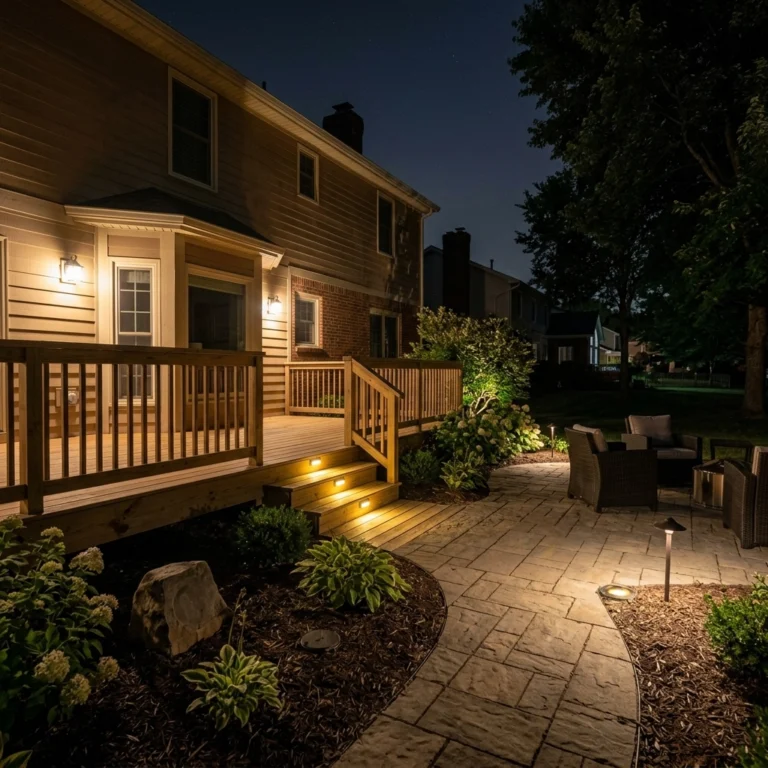
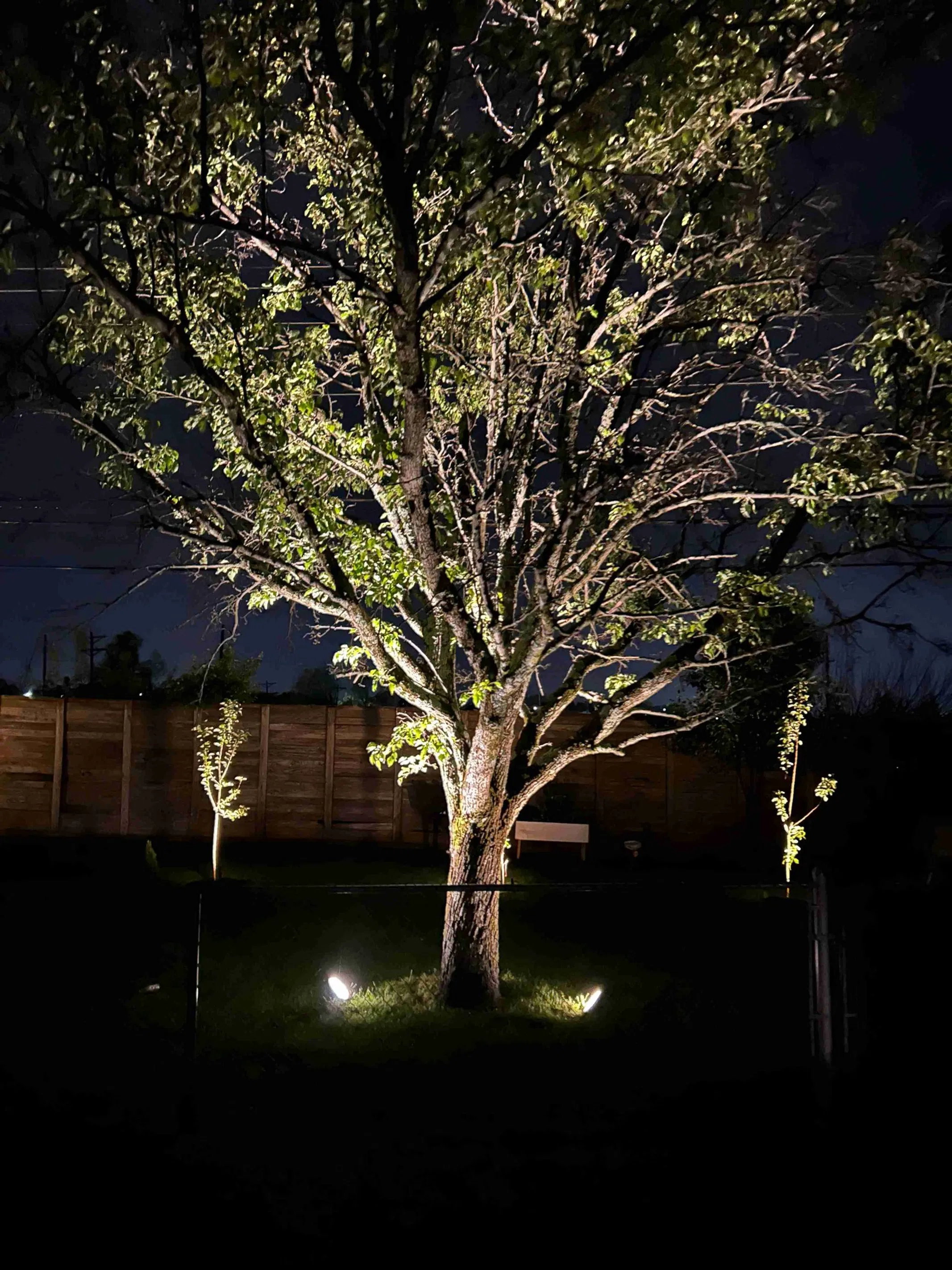
Focus on layered lighting. Instead of trying to light everything, choose specific focal points, like a mature oak tree or a stone entryway. Use low-voltage landscape lighting with lower lumen counts to create depth. By highlighting textures and leaving some areas in shadow, you create a sophisticated, high-end look rather than a blinding one.
Have you ever seen a house where some lights look blueish-white and others look yellow? That’s the result of mixing color temperatures. In the lighting world, we measure this in Kelvins (K). Using a 5000K "Daylight" bulb next to a 2700K "Warm White" bulb makes the system look disorganized and cheap.
The Fix:
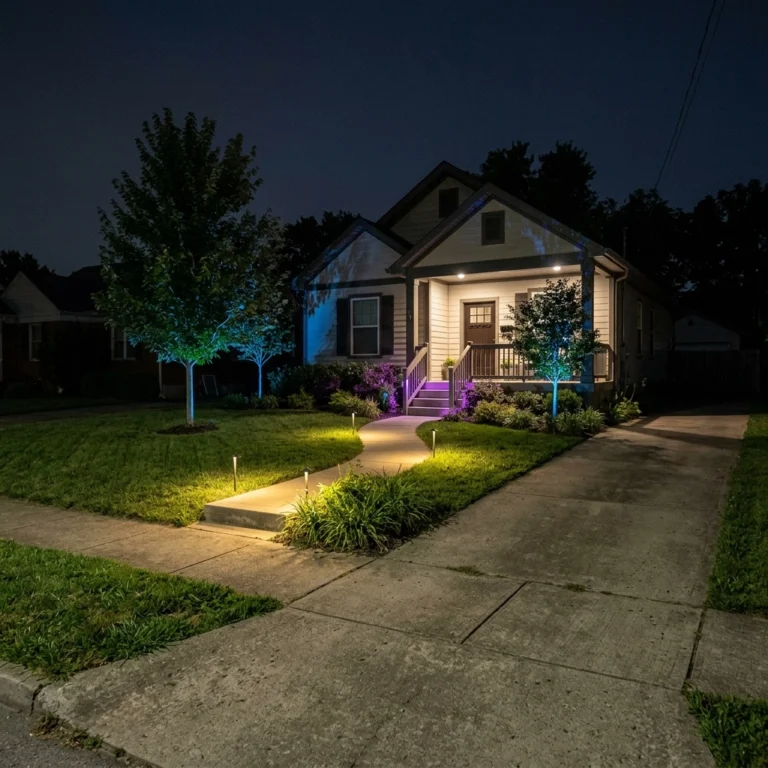
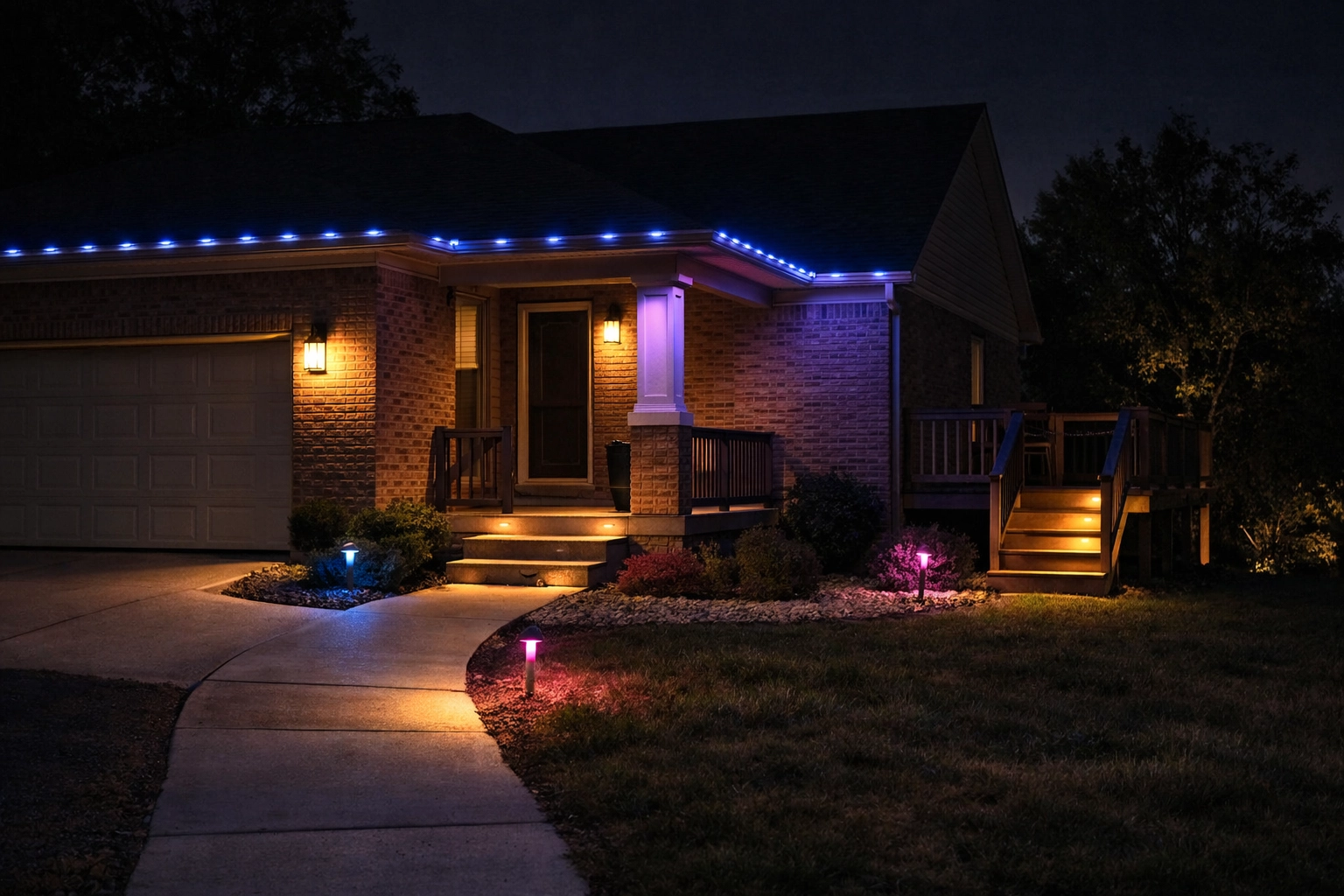
Stick to a consistent color temperature across your entire property. For most homes in the Lexington area, we recommend 2700K or 3000K. This provides a warm, inviting glow that complements natural wood and stone. If you want variety, consider permanent architectural lighting in Lexington that features RGBW capabilities, allowing you to change colors for holidays while maintaining a perfect warm white for the rest of the year.
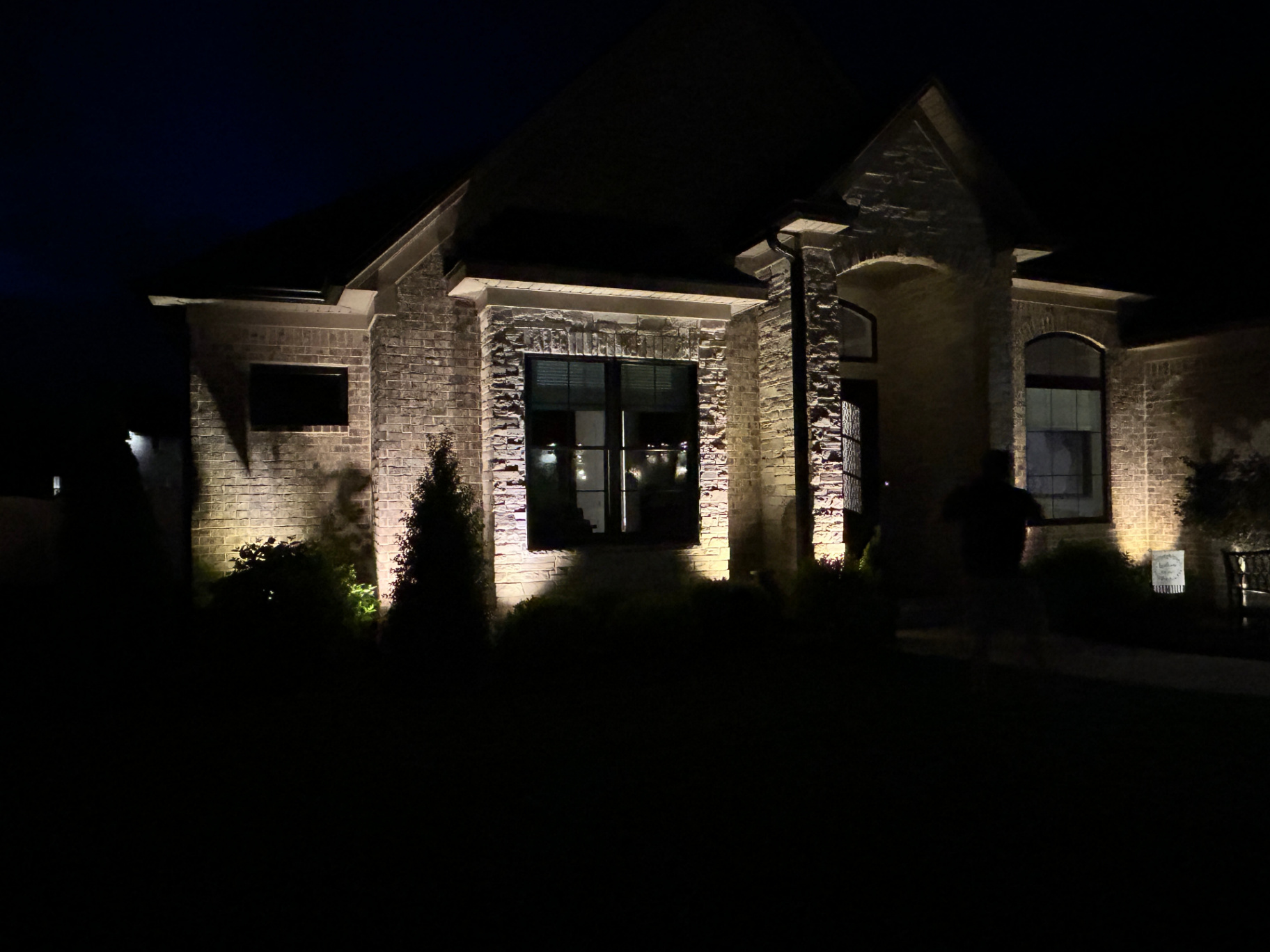
If you can see the light source itself (the bulb), you’ve probably placed the fixture incorrectly. Direct glare is uncomfortable and actually makes it harder to see the surrounding area because your eyes struggle to adjust to the bright point of light. We often see "hot spots" where a light is placed too close to a wall, creating a distracting bright circle rather than a smooth wash of light.
The Fix:
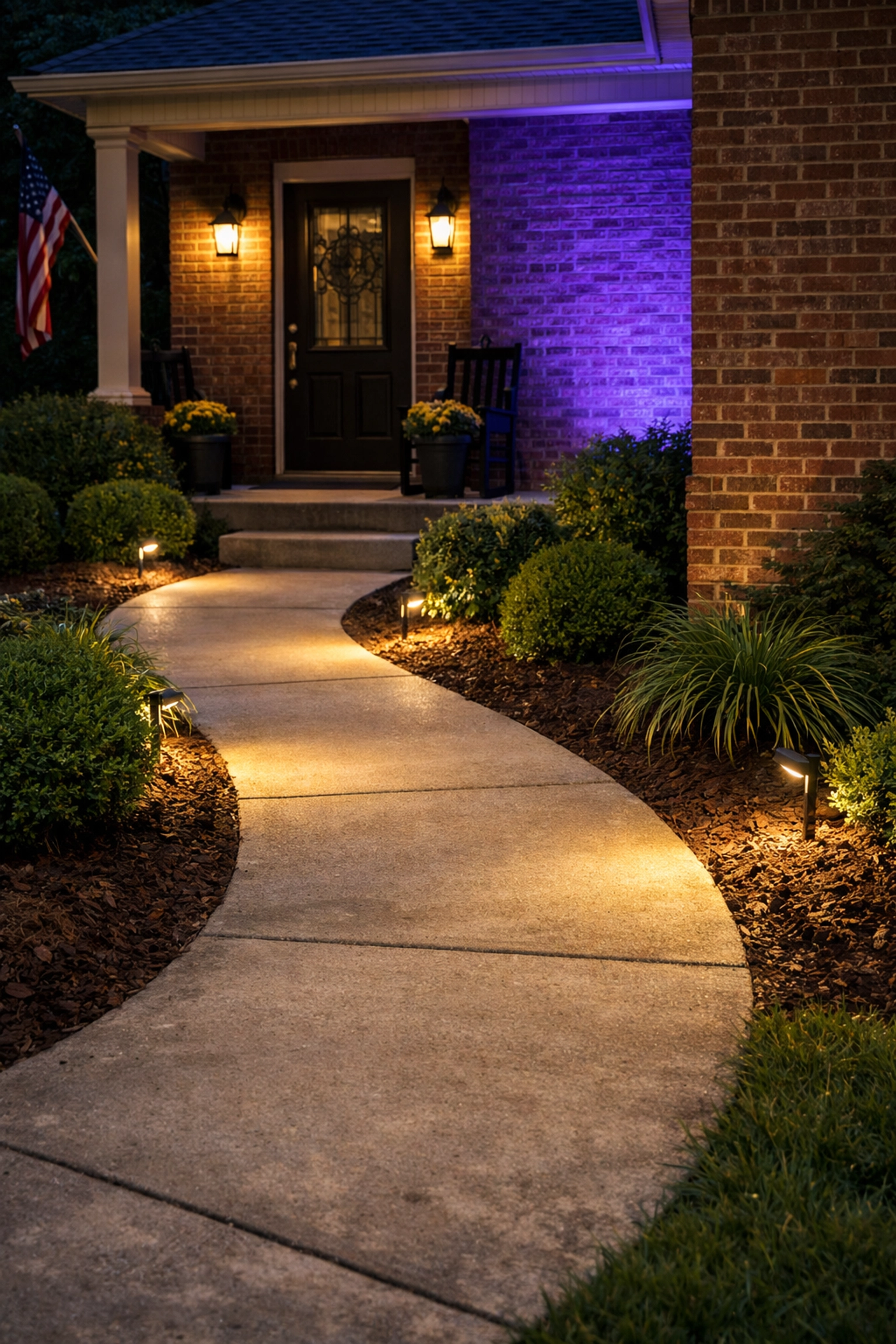
Hide the source. Use "invisible-by-day" techniques where fixtures are tucked behind landscaping or integrated into the architecture. For walkways, use custom path lights that aim light downward. If you are uplighting trees or walls, use shields or shrouds to direct the light exactly where it needs to go without blinding anyone walking by.
It’s tempting to grab a DIY lighting kit from a local hardware store. However, these systems are rarely built to last. They often use plastic housings that crack in the Kentucky sun and thin-gauge wiring that degrades quickly. Most importantly, these kits don't offer the longevity required for a "permanent" system.
The Fix:
Invest in professional-grade, solid brass or copper fixtures. These materials patina over time and can withstand the humidity and temperature swings we experience in Versailles and Richmond. At Evening Glow, we believe in our equipment so much that we offer a lifetime warranty on our systems. When you use high-quality LED components, you’re not just buying a light; you’re buying a decades-long solution.
We’ve seen it all: extension cords stapled to rooflines, exposed wires running across mulch beds, and "Frankenstein" systems plugged into overtaxed garage outlets. Not only is this an eyesore, but it’s also a significant fire and tripping hazard. Water intrusion into poor connections is the number one cause of system failure.
The Fix:
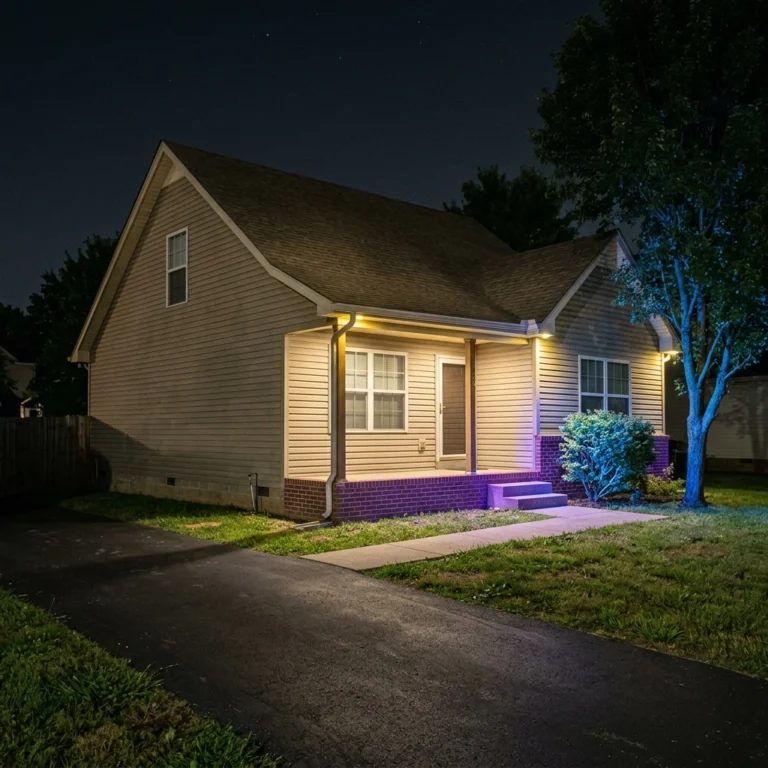
All wiring should be direct-burial rated and housed in protective conduits where necessary. For permanent roofline lighting, the tracks should be color-matched to your gutters or soffits so they are completely hidden during the day. Proper waterproof connectors (heat-shrunk or grease-filled) are non-negotiable for any system that’s going to survive a wet Kentucky spring.
A lighting design that looks great today might be completely obscured in two years. Many homeowners install lights too close to young shrubs or trees. As the plants grow, they block the light, creating weird shadows or completely hiding the fixture.
The Fix:
Plan for the future. Position fixtures with the plant’s mature size in mind. Additionally, commit to regular outdoor lighting maintenance in Central Kentucky. This involves trimming back foliage, cleaning lenses to remove hard water deposits, and adjusting the aim of fixtures as your landscape evolves.
Outdoor lighting is as much an art as it is a science. Many DIY projects lack a cohesive plan. They end up with "flat" lighting, where everything is illuminated at the same intensity, or they miss key safety areas like dark side-yards or steep steps.
The Fix:
A professional design walkthrough can save you thousands in mistakes. A pro understands "beam spreads", how wide the light throws, and "lumen output", how bright it actually is. They can also integrate smart controls, allowing you to manage your entire system from your phone. Whether you need landscape lighting installers in Versailles or architectural accents in Richmond, a professional eye ensures the job is done once and done right.
When you work with a professional team like Evening Glow LLC, you aren't just getting bulbs and wires. You are getting a system designed to withstand the elements and look beautiful for a lifetime.
As a veteran-owned company, we bring a level of discipline and attention to detail that is rare in the contracting world. We ensure that every wire is hidden, every fixture is perfectly angled, and every client is completely satisfied. Our "invisible-by-day" philosophy means your home looks like it has a natural glow at night, without the clutter of visible hardware during the day.
How long does a permanent lighting system last?
With professional-grade components and proper installation, a system can last 20 years or more. Our fixtures come with a lifetime warranty to ensure your investment is protected.
Will the lighting increase my electric bill?
Modern LED systems are incredibly efficient. Most of our Central Kentucky outdoor lighting packages use about 80% less energy than old-school halogen systems, often costing only a few dollars a month to run.
Can I add more lights later?
Yes, provided your transformer has enough capacity. We always recommend sizing your transformer a bit larger than your initial needs so you can add more fixtures as your landscaping grows or you finish new outdoor projects.
Don't guess on what your home needs. At Evening Glow, we design custom architectural lighting for homes across Central Kentucky. [Click here to book a free, no-pressure design walkthrough] and let's see what your property looks like at night.