Physical Address
304 North Cardinal St.
Dorchester Center, MA 02124
Physical Address
304 North Cardinal St.
Dorchester Center, MA 02124
Reading Time: 8 minutes
Before you grab a shovel or buy a single spool of wire, stop. The biggest mistake homeowners in Lexington make when installing outdoor lighting isn't choosing the wrong bulb, it’s digging a trench before they have a plan. Low-voltage lighting is as much about electrical math and design as it is about digging in the dirt.
At Evening Glow LLC, we’ve seen plenty of DIY projects go dark because the homeowner skipped the blueprint phase. Whether you’re highlighting a century-old oak in Chevy Chase or securing a walkway in a new build out in Hamburg, the secret to a professional-grade look is all in the prep work. This guide will walk you through exactly what to do before you disturb a single blade of Kentucky bluegrass.
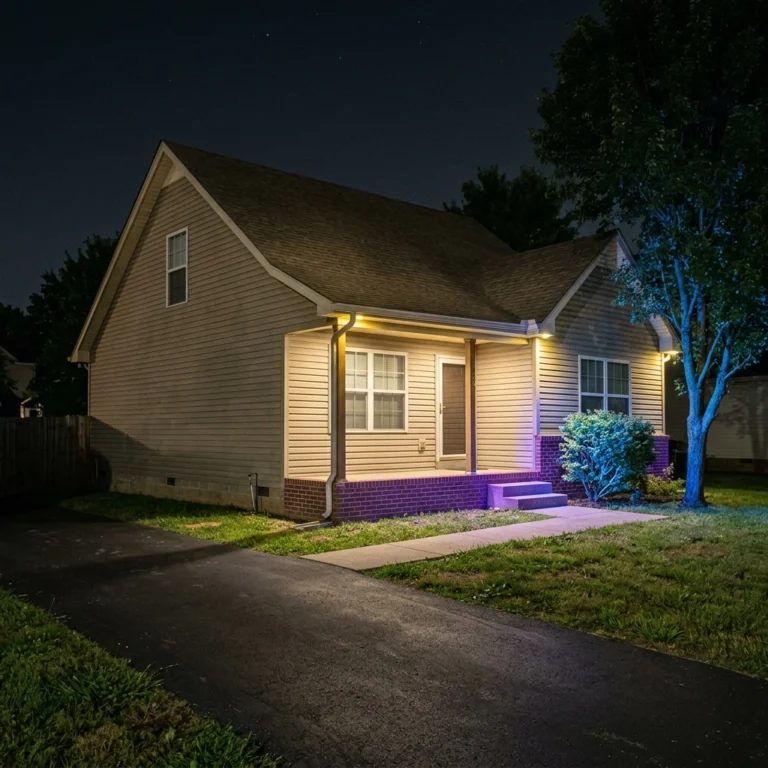
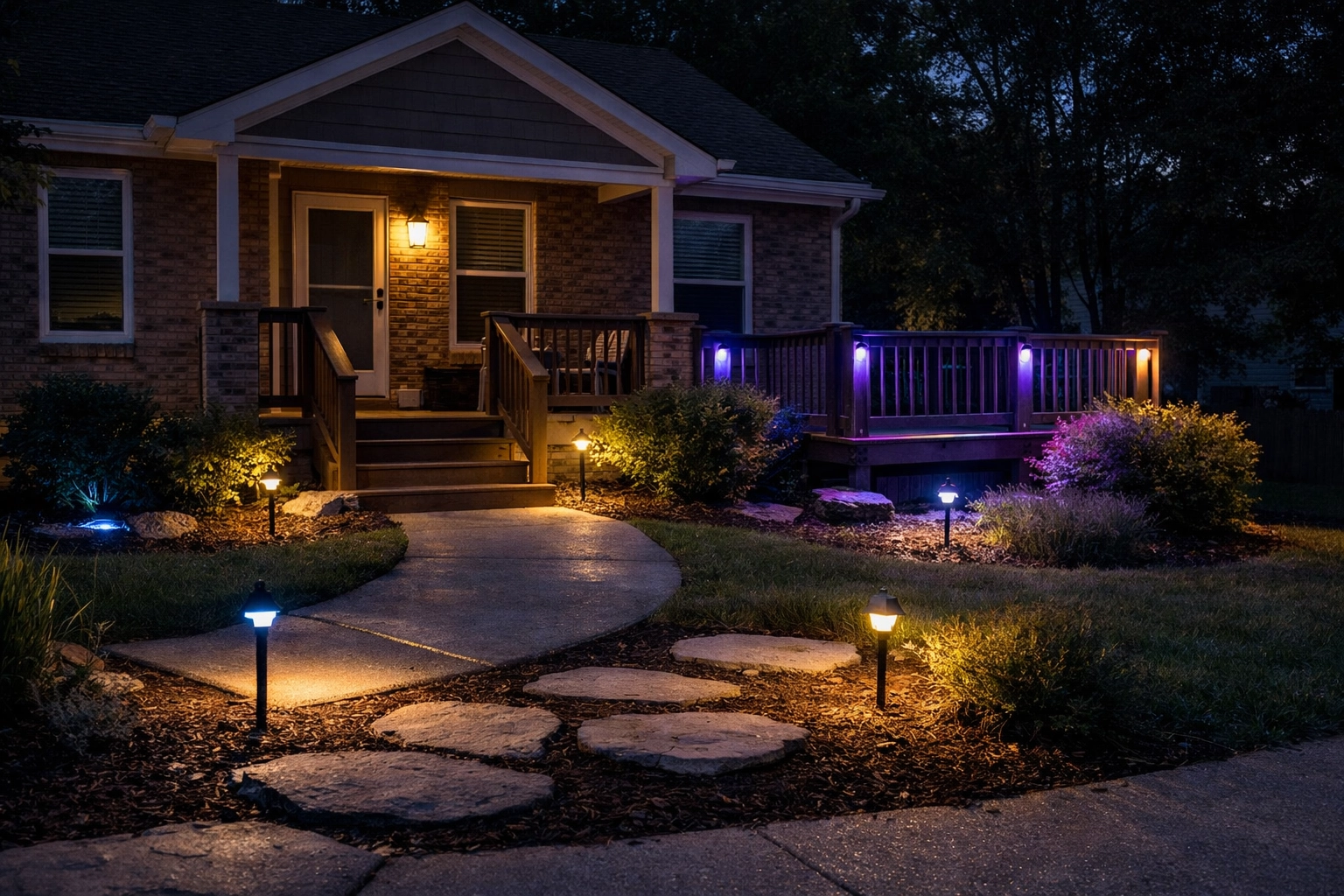
Before we get into the technicalities, let's talk about the goal. A high-end lighting system should be "invisible by day." This means that when the sun is out, you shouldn't see a mess of wires, bulky fixtures, or cluttered conduit. The hardware should blend seamlessly into your landscaping. As a veteran-owned business, we pride ourselves on precision; we treat your property like a tactical operation where the equipment stays hidden until it’s time to perform.
You wouldn't build a house without a floor plan, and you shouldn't light your yard without a map. Grab a piece of graph paper or use a digital tablet to sketch your property.
Mark the "anchor" points of your yard. These are the large trees, architectural peaks of your home, and primary pathways.
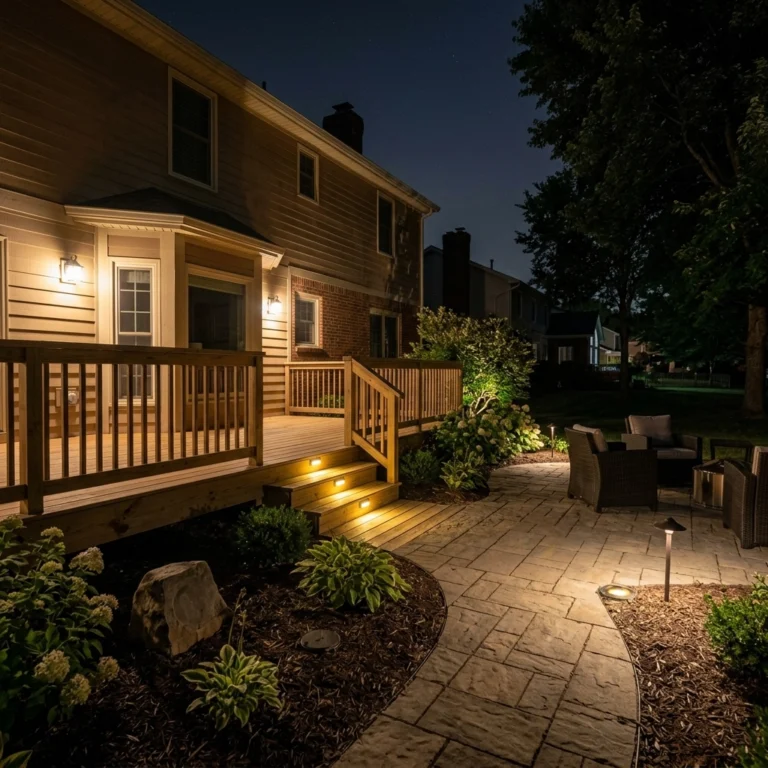
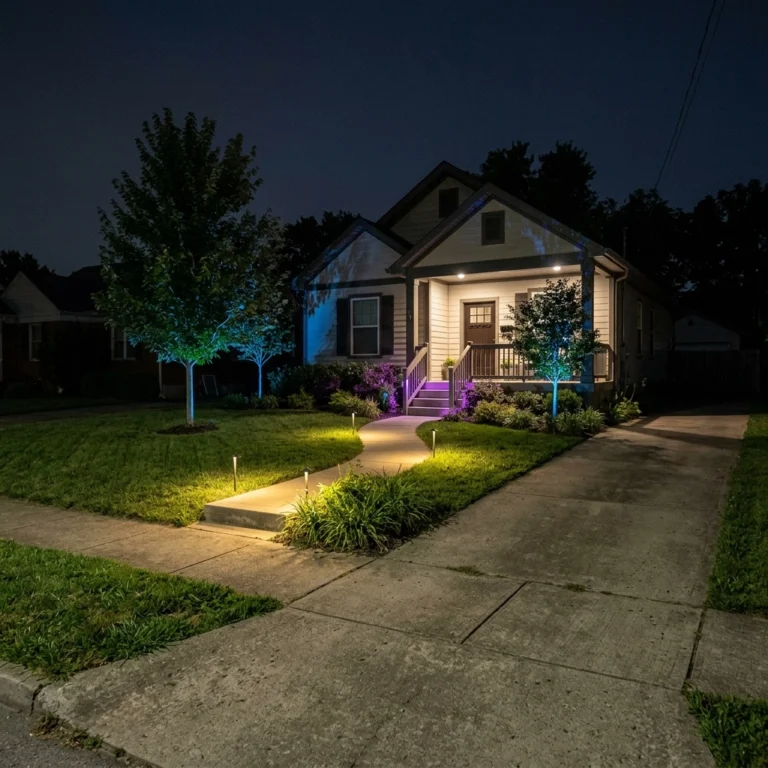
Think in three dimensions. You want path lights for the ground, landscape lighting for the mid-level foliage, and uplights to catch the eaves of your roof. Mixing these levels creates depth and prevents your yard from looking like a flat, over-lit parking lot.
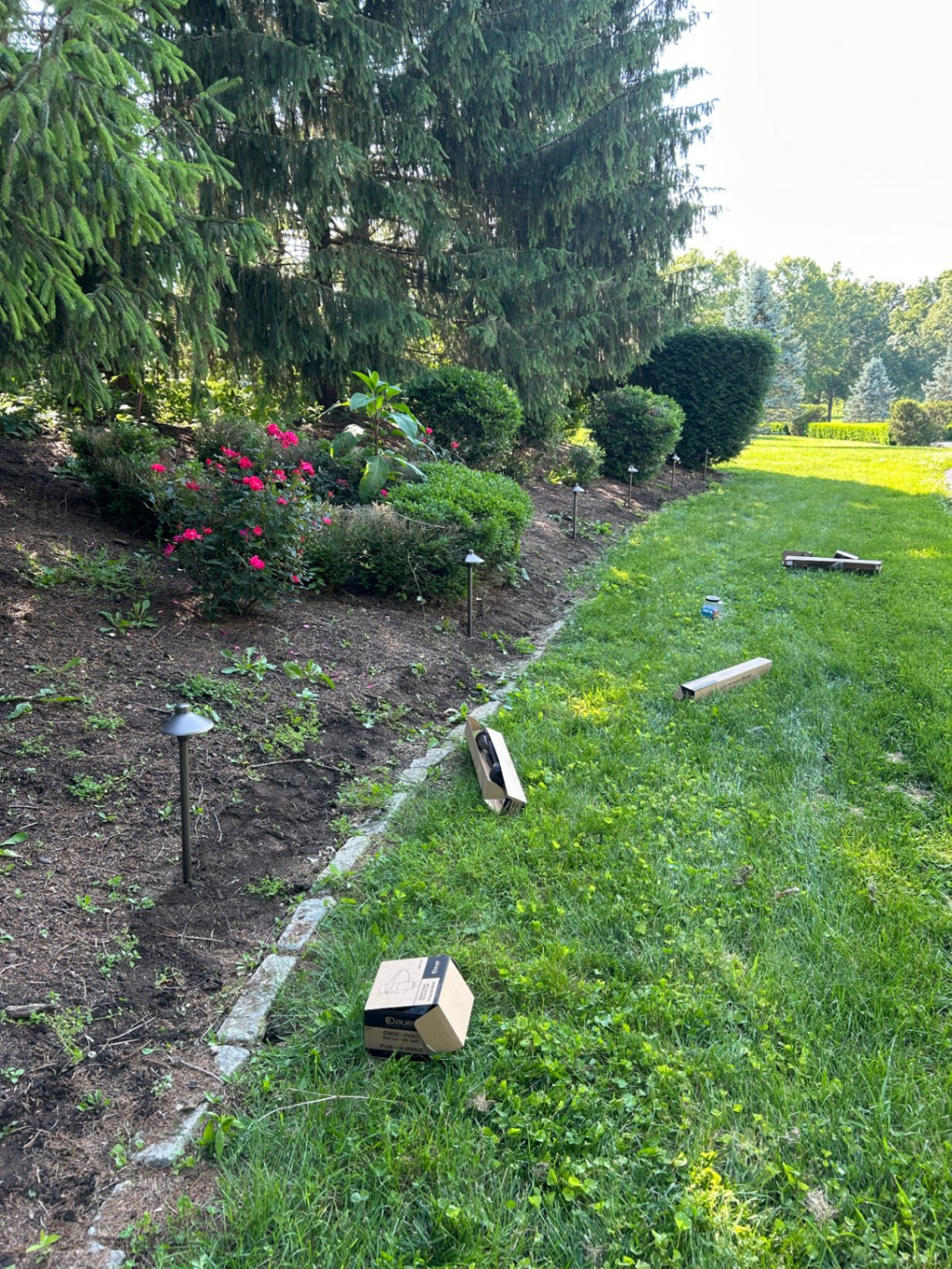
Low-voltage systems (12V) are safer and easier to install than standard line-voltage (120V) systems, but they are sensitive to "voltage drop." This happens when the electricity travels too far down a wire, causing the lights at the end of the line to look dimmer than the ones near the transformer.
Add up the wattage of every fixture you plan to install. If you have ten 5-watt LED fixtures, your total load is 50 watts.
Most residential projects use 12-gauge or 10-gauge wire. The thicker the wire (lower the number), the further the power can travel without dropping off. In the rocky, clay-heavy soil of Central Kentucky, choosing the right durable, direct-burial wire is essential for a system that lasts.
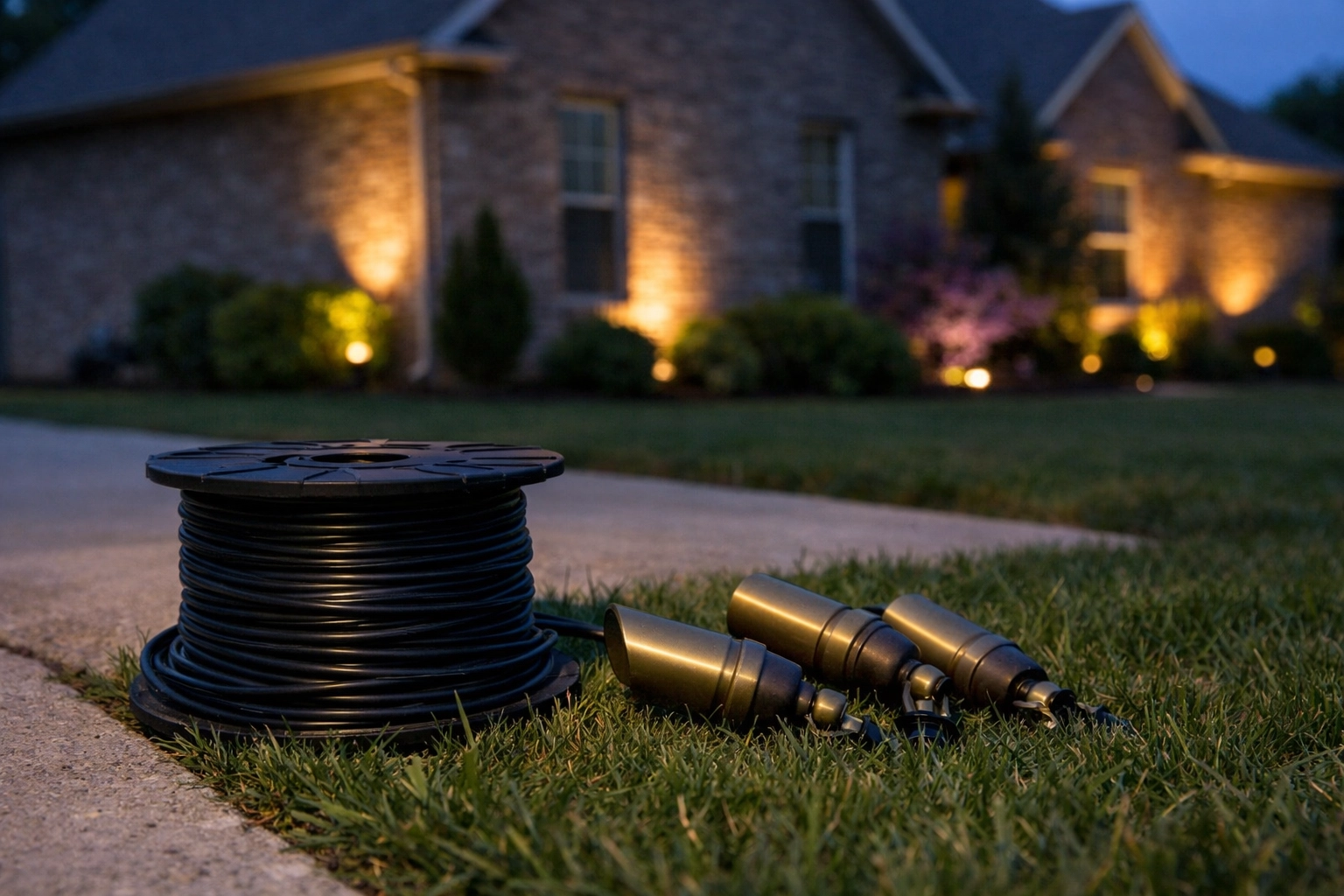
The transformer is the brain of your operation. It converts your home’s 120V power into the safe 12V power your lights need.
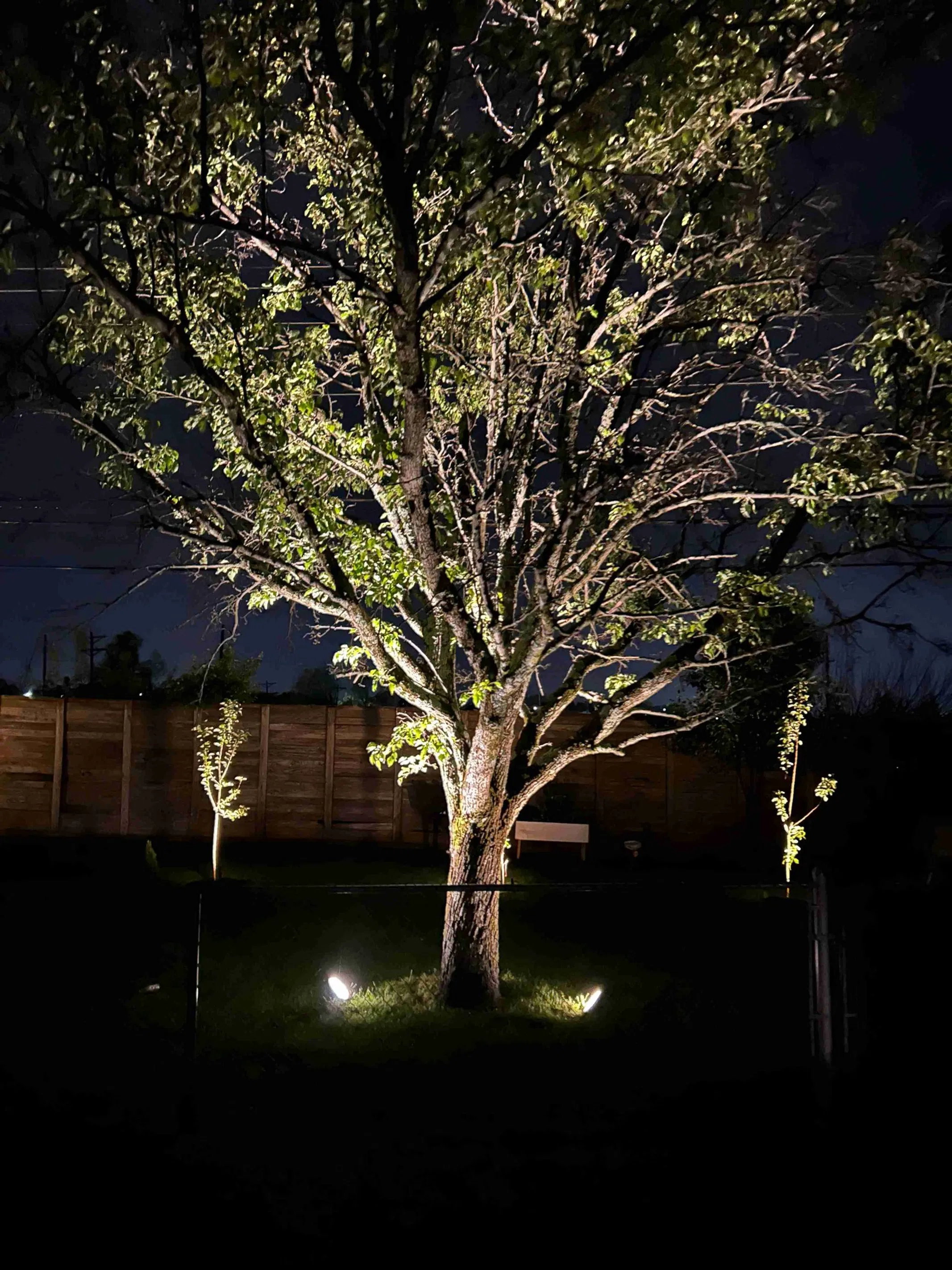
This is where you save yourself hours of frustration. Instead of digging, take your fixtures and wires out into the yard.
Wait for the sun to go down. Plug in your transformer and turn on the system while the wires are still sitting on top of the grass.
Once you are 100% happy with the light placement, it’s finally time to think about the soil. In Lexington, our soil can be tough.
You can find cheap lighting kits at big-box stores, but they rarely survive a Kentucky winter. At Evening Glow LLC, we use professional-grade custom fixtures made of solid brass or copper. These materials don’t rust or corrode; they patina beautifully over time.
Furthermore, we offer a lifetime warranty on our installations. When we design a system, we aren't just thinking about how it looks tonight, we’re thinking about how it will look ten years from now.
Yes, as long as they are all low-voltage (12V-15V) and your transformer has enough wattage to support the total load. However, keeping brands consistent usually ensures the color temperature (the "warmth" of the light) matches across your property.
For low-voltage systems, a depth of 6 inches is standard. This is deep enough to protect the wire from lawnmowers and aerators but shallow enough to avoid most major utility lines.
Spring and Fall are ideal because the ground is softer, making the "invisible burial" process much easier. However, we install year-round in the Lexington area, provided the ground isn't frozen solid.
While you can clean your own lenses and change bulbs, a professional maintenance plan ensures your transformer is still hitting the right voltages and that your fixtures haven't shifted due to plant growth or soil erosion.
Planning a lighting system is fun, but executing it with precision is where the real value lies. If you’d rather spend your weekend enjoying the rolling hills of Kentucky instead of wrestling with wire gauges and voltage drop, we’re here to help.
At Evening Glow LLC, we bring veteran-led discipline to every project, ensuring your home is the crown jewel of the neighborhood long after the sun goes down. Whether you need a simple walkway update or a full smart outdoor living integration, we’ve got you covered.
Contact us today for a consultation and let’s start planning your perfect evening glow.