Physical Address
304 North Cardinal St.
Dorchester Center, MA 02124
Physical Address
304 North Cardinal St.
Dorchester Center, MA 02124
Read time: 6 minutes
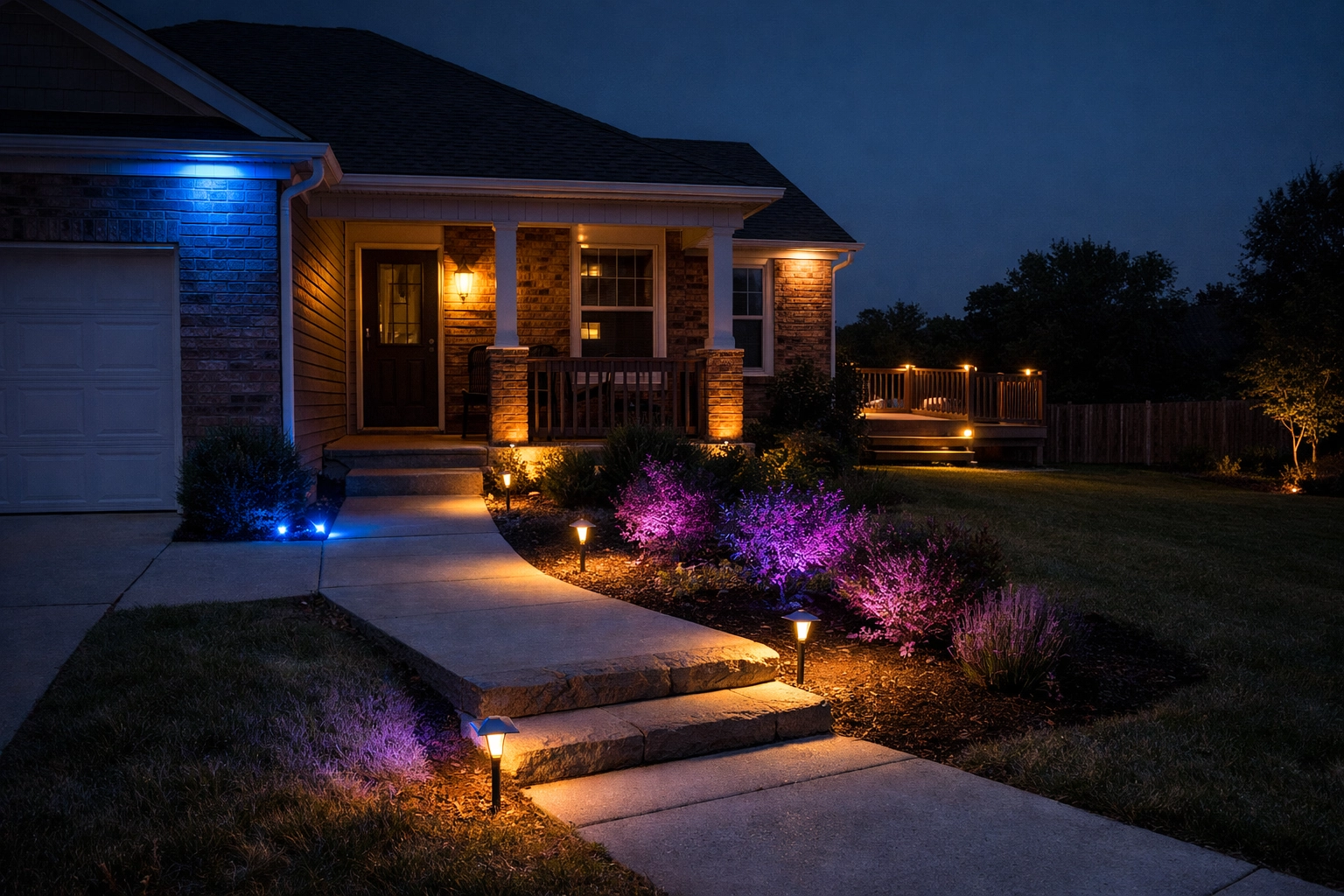
Your outdoor lighting should make your Lexington home safer, more beautiful, and more functional. But if you're like most homeowners we meet, you've probably fallen into at least one of these common traps that actually do the opposite.
The good news? Every single one of these mistakes is fixable. Let's walk through what's probably going wrong with your outdoor lighting, and exactly how to correct it.
The Problem: You either flooded your yard with so much light it looks like a parking lot, or you installed two fixtures and called it done. Neither extreme works.
Too much light washes out the natural textures of your landscaping and creates harsh, unwelcoming spaces. Too little leaves dark pockets where guests trip over steps and your property's best features disappear after sunset.
The Fix: Think Goldilocks, you want it just right. Use dimmers to dial in the perfect brightness for each zone. Your front walkway needs more light than your garden beds. Your patio needs different intensity than your driveway.
Test different levels before locking in your final setup. What looks perfect at installation might feel too bright after a week of use.
The Problem: You've got lights aimed directly into people's eyes as they walk up your path or sit on your patio. This isn't just annoying, it's actually less safe because harsh glare reduces visibility and creates deep shadows everywhere the light doesn't hit.
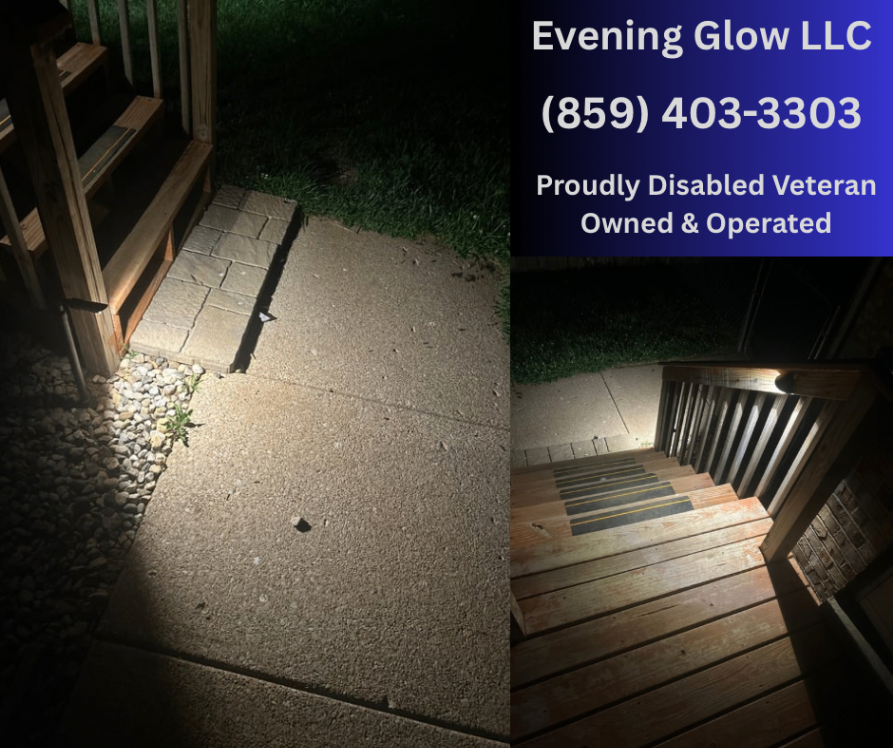
The Fix: Angle everything downward. Pathway lights should illuminate the ground, not shine horizontally into someone's face. Spotlights need shields or louvered covers to control where the beam goes.
Think about sightlines before you install anything. Stand where your guests will stand, sit where you'll sit, and make sure you're not creating a spotlight interrogation scene.
Here in Lexington, all outdoor lights must be fully shielded to direct light downward anyway, it's not just good design, it's the law. This prevents light pollution and keeps your neighbors happy.
The Problem: You grabbed some lights at the hardware store, stuck them wherever seemed convenient at the time, and now you've got random dots of light scattered across your property with no real plan. Spacing is uneven, angles are awkward, and the overall effect is just… meh.
The Fix: Design first, install second. Walk your property at dusk and identify what actually needs lighting: your walkway for safety, your front door as a focal point, that beautiful tree in your yard, your entertaining areas.
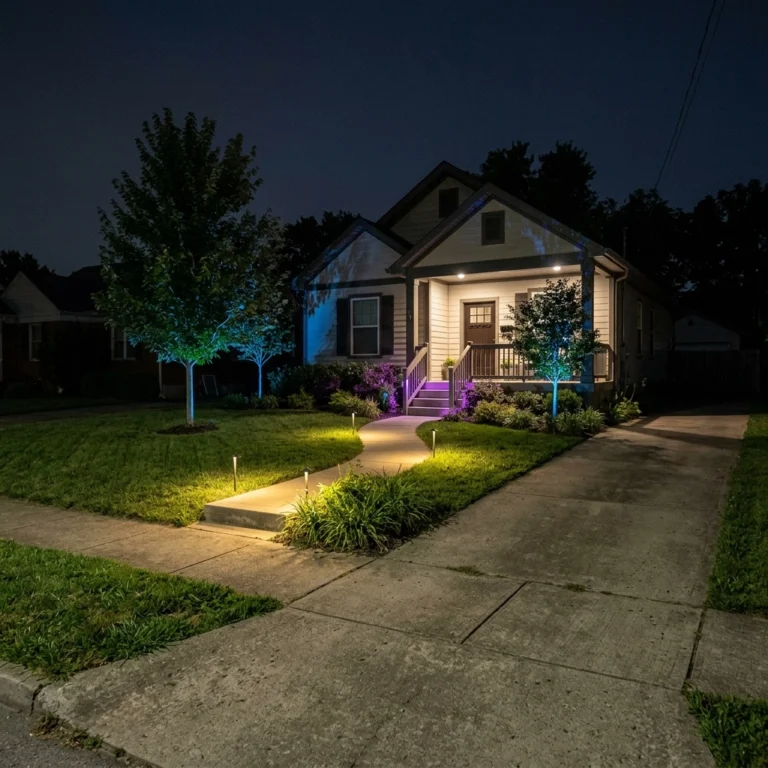
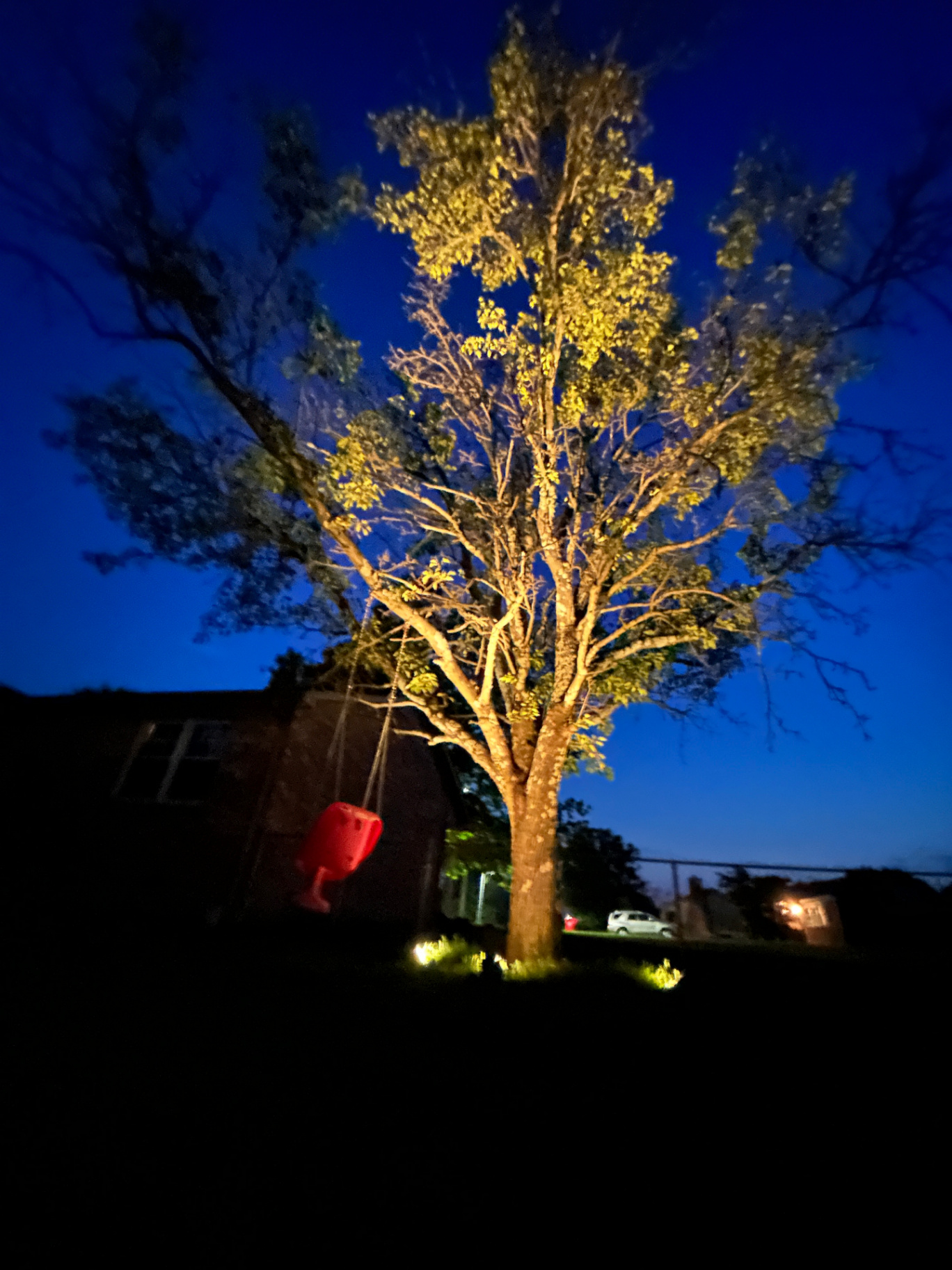
Measure spacing before you commit. Pathway lights typically work best 6-8 feet apart. Uplights for trees should be placed at the base, angled upward at about 30-45 degrees. Test everything with temporary stakes or even flashlights before you dig.
Consider sight lines from inside your home too, you'll be looking at these lights through your windows every evening.
The Problem: You've got modern fixtures on the front porch, traditional lanterns on the garage, LED strips on the deck, and spotlights that don't match anything. Your outdoor space looks like a lighting showroom exploded.
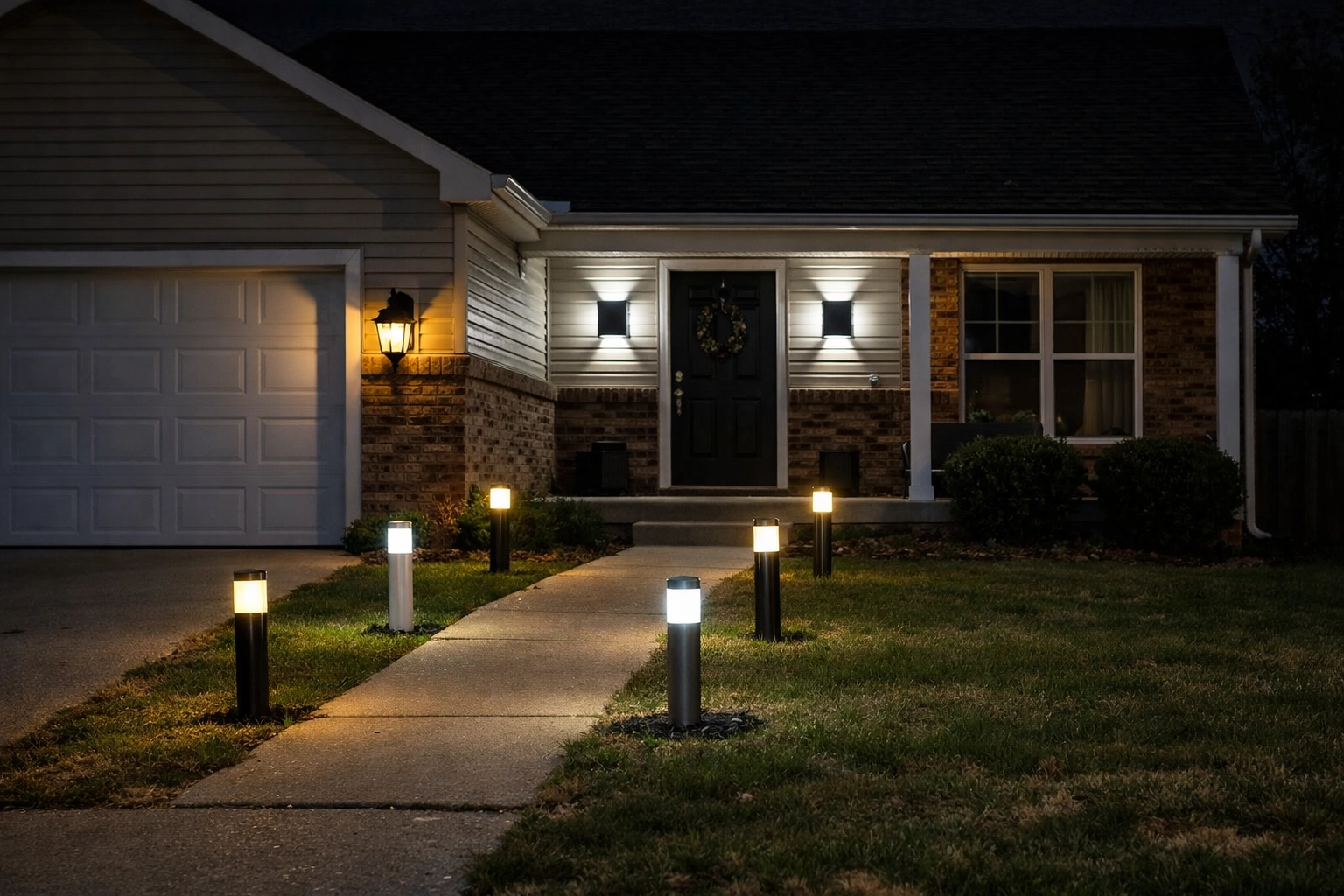
The Fix: Pick a style and stick with it. Your outdoor lighting should complement your home's architecture, not fight it. Traditional homes look best with classic fixture designs. Modern homes can handle sleeker, more contemporary styles.
Color temperature matters too, warm white (2700-3000K) creates inviting, comfortable spaces. Cool white looks harsh and institutional. Pick one color temperature and use it consistently across your entire property.
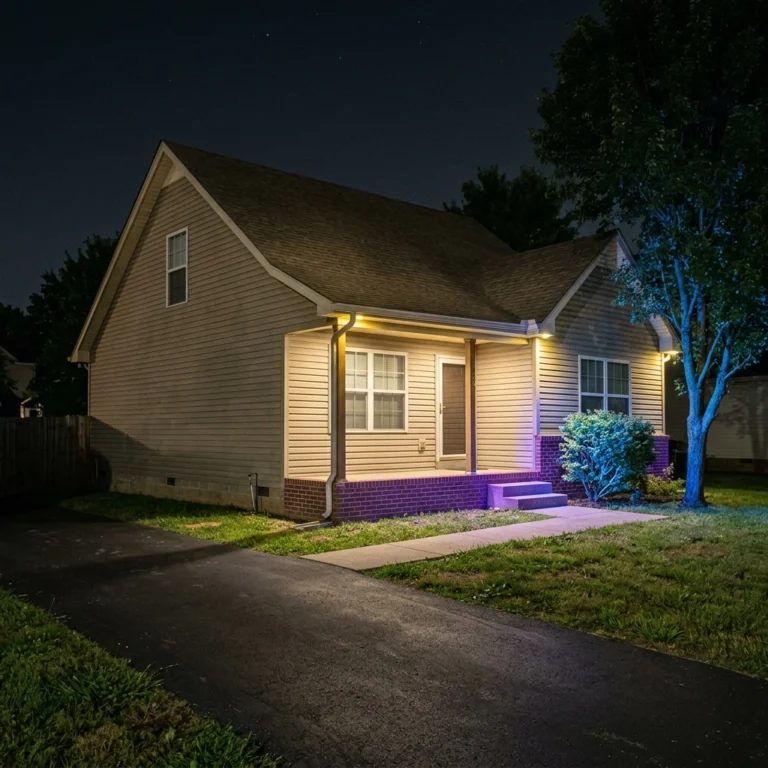
At Evening Glow LLC, we specialize in fixtures that are invisible by day, so your design stays clean whether the lights are on or off.
The Problem: You installed outdoor lighting three years ago and haven't thought about it since. Now half the bulbs are out, fixtures are crusted with dirt, and that one light by the garage has been flickering for six months.
Neglected lighting doesn't just look bad, it defeats the entire safety and security purpose of having lights in the first place.
The Fix: Schedule regular maintenance. Clean fixtures quarterly (dirt and debris reduce light output significantly). Replace bulbs before they burn out completely. Check all connections and wiring annually, especially after harsh Kentucky winters.
Better yet, upgrade to LED systems that last 15-20 years instead of 1-2. You'll spend less time on ladders and more time enjoying your outdoor space. Our systems at Evening Glow come with a lifetime warranty, which means you can actually forget about maintenance, we handle it.
The Problem: You went with the cheapest fixtures you could find online. They looked fine in the photos, but after one Lexington winter and summer, they're corroded, the wiring is exposed, and you're replacing everything anyway.
Kentucky weather is tough, we get freezing winters, humid summers, and everything in between. Cheap fixtures aren't built for that.
The Fix: Invest in quality materials designed for outdoor exposure. Look for solid brass or copper fixtures, commercial-grade wiring, and warranties that back up the quality claims.
Yes, professional-grade equipment costs more upfront. But when you're replacing cheap fixtures every 2-3 years versus installing quality fixtures once with a lifetime warranty, the math works in favor of quality every single time.
The Problem: You installed a bunch of spotlights and called it a lighting plan. Or maybe you went all-in on pathway lights. Either way, you're using one tool for every job, and the results are flat and one-dimensional.
Great outdoor lighting has depth and variety: different types of light working together to create both function and beauty.
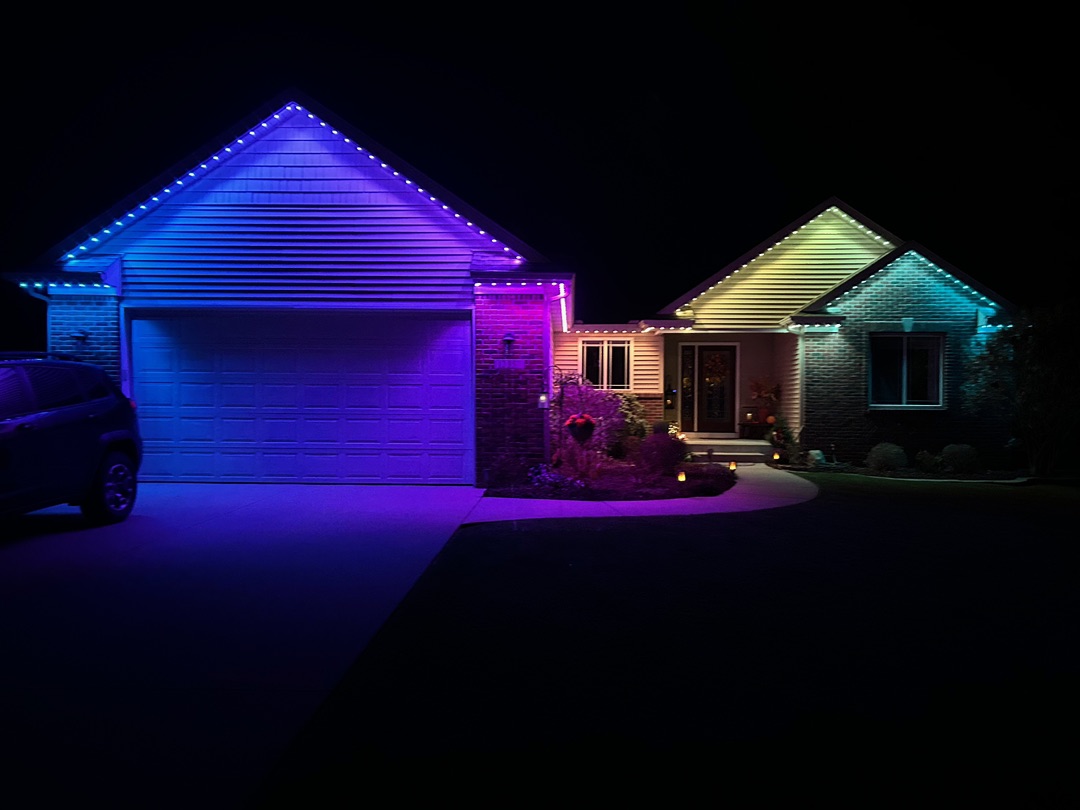
The Fix: Layer your lighting like you'd layer a great outfit. You need three types:
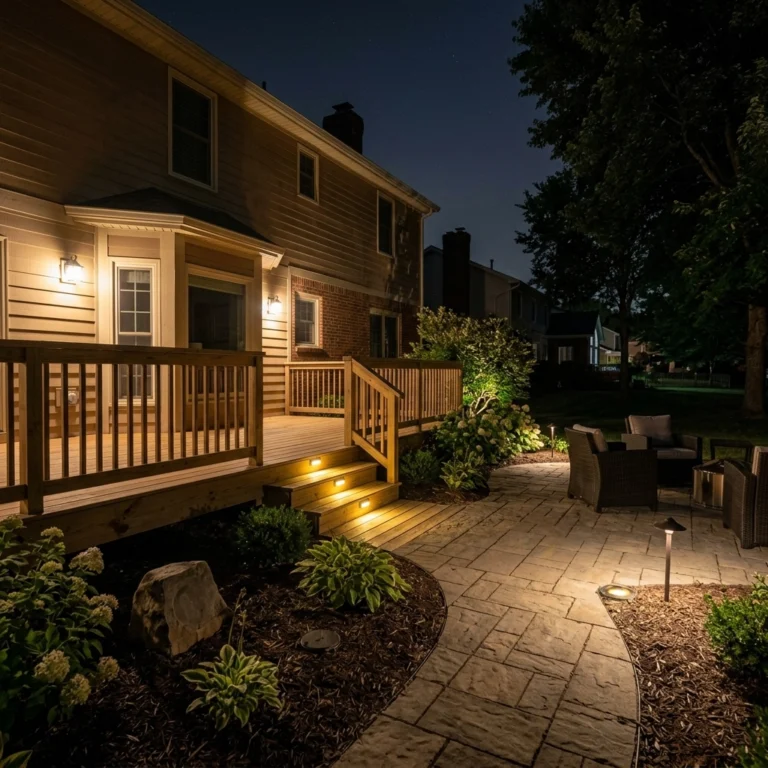
Ambient lighting provides overall illumination: think post lights or wall sconces that light up general areas.
Task lighting handles specific functions: pathway lights for safe walking, spotlights on your grill area, lights on your house numbers.
Accent lighting creates drama and highlights your best features: uplights on trees, spotlights on architectural details, lights that graze interesting textures.
When these three layers work together, you create outdoor spaces that are both functional and stunning. You can adjust each layer independently too: maybe you want bright task lighting when you're grilling but softer ambient lighting when you're relaxing afterward.
Before you install or fix anything, understand what's required by local code. Lexington has clear outdoor lighting standards that protect everyone's enjoyment of their property:
These rules prevent light pollution, reduce glare for neighbors and drivers, and maintain the character of Lexington neighborhoods. Good news: following these regulations actually results in better-looking, more effective lighting anyway.
Here's the thing: you could spend your weekends troubleshooting these issues, replacing fixtures, adjusting angles, and hoping you eventually get it right. Or you could work with professionals who've already solved these problems hundreds of times.
At Evening Glow LLC, we're a veteran-owned lighting company that specializes in outdoor lighting systems that are invisible by day and stunning by night. Every installation comes with a lifetime warranty because we use quality materials and do the job right the first time.
We know Lexington properties inside and out: from the historic homes in Ashland Park to the newer developments in Hamburg. We understand local codes, Kentucky weather, and exactly what it takes to create lighting that lasts.
Whether you need to fix existing mistakes or start fresh with a professional landscape lighting or architectural lighting design, we're here to help.
Your outdoor lighting should make you proud every time you pull into your driveway. If it doesn't, it's time to fix it.